Why AfN Degree Accreditation Matters More Than Ever
By Kathy Redfern RNutr FHEA – AfN Accreditation Committee Member
As a Lecturer, Programme Lead of an AfN-accredited nutrition degree, and a member of the AfN Accreditation Committee, I spend a lot of time speaking to prospective students who are passionate about nutrition and eager to turn that interest into a career. As the new academic year gets into full swing, with new and returning students settling (back) in and a wave of university open days underway, one question comes up time and time again: what does accreditation mean, and why does it matter?
In a digital landscape filled with oversimplified trends, fasting protocols, and viral “superfoods,” distinguishing credible expertise from confident opinion is tougher than ever. That is where high-quality nutrition education and professional accreditation comes in.
From Passion to Critical Thinking
One of the most rewarding aspects of my role is seeing students’ development throughout their degree journey. Many arrive in their first year with a strong interest in nutrition and, sometimes, a belief that they already know quite a lot about the subject. Yet studying nutrition at degree level quickly reveals the complexity behind the headlines.
As registrants reading this will know, students begin by developing a strong foundation in the scientific disciplines that underpin nutrition like physiology, biochemistry, metabolism and public health. As they progress, they learn how to apply that knowledge, to interpret research, evaluate competing claims, and critically appraise evidence – hallmarks of ANutr and RNutr. Importantly, an accredited degree does not simply teach students what to think. It teaches them how to think.
Demystifying the Accreditation Process
For prospective students exploring nutrition degrees, choosing an AfN accredited degree programme is arguably one of the most important career decisions they will make, providing a direct route to joining the UKVRN as a Registered Associate Nutritionist upon graduation, which is valued by employers across the UK and beyond. However, accreditation is far more than a logo or badge awarded once and forgotten. The process itself is rigorous, involving four distinct stages (see Figure 1).
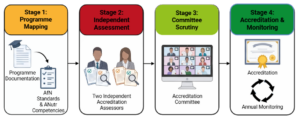
Figure 1 AfN Degree Accreditation, generated using BioRender.
An Investment in Our Profession
The reach of accredited programmes is significant. During the 2026 annual monitoring cycle, more than 3,300 students studied across 96 accredited undergraduate and postgraduate programmes, with over 1,200 students graduating into the workforce. Yet, despite growing public interest in food, health and wellbeing, nutrition degree programmes are operating in an increasingly competitive higher education environment, facing declining recruitment and, in some cases, course closures.
At a time when nutrition misinformation is everywhere, society desperately needs practitioners who can critically evaluate evidence, communicate responsibly, and support communities with credibility. Helping prospective students understand both the breadth of career opportunities and the value of accreditation has never been more vital. Ultimately, accreditation provides a robust quality mark that employers can truly trust—and as an educator and Accreditation Committee member, I see first-hand that it is far more than a badge: it is a vital investment in the future of our profession.